

Japan offers some of the most compelling visual environments in the world. Yet global crews who arrive with confidence in their creative vision often encounter a reality they did not expect. Japan runs on an operating system built around precision, hierarchy, and controlled movement. It rewards preparation and alignment, not improvisation. Outsiders see the beauty. Insiders understand the structure behind it.
Bentley arrived with a strong creative direction for a feature shoot. What they needed was a team capable of interpreting that direction inside Japan’s system. That is how we became their Japan team.
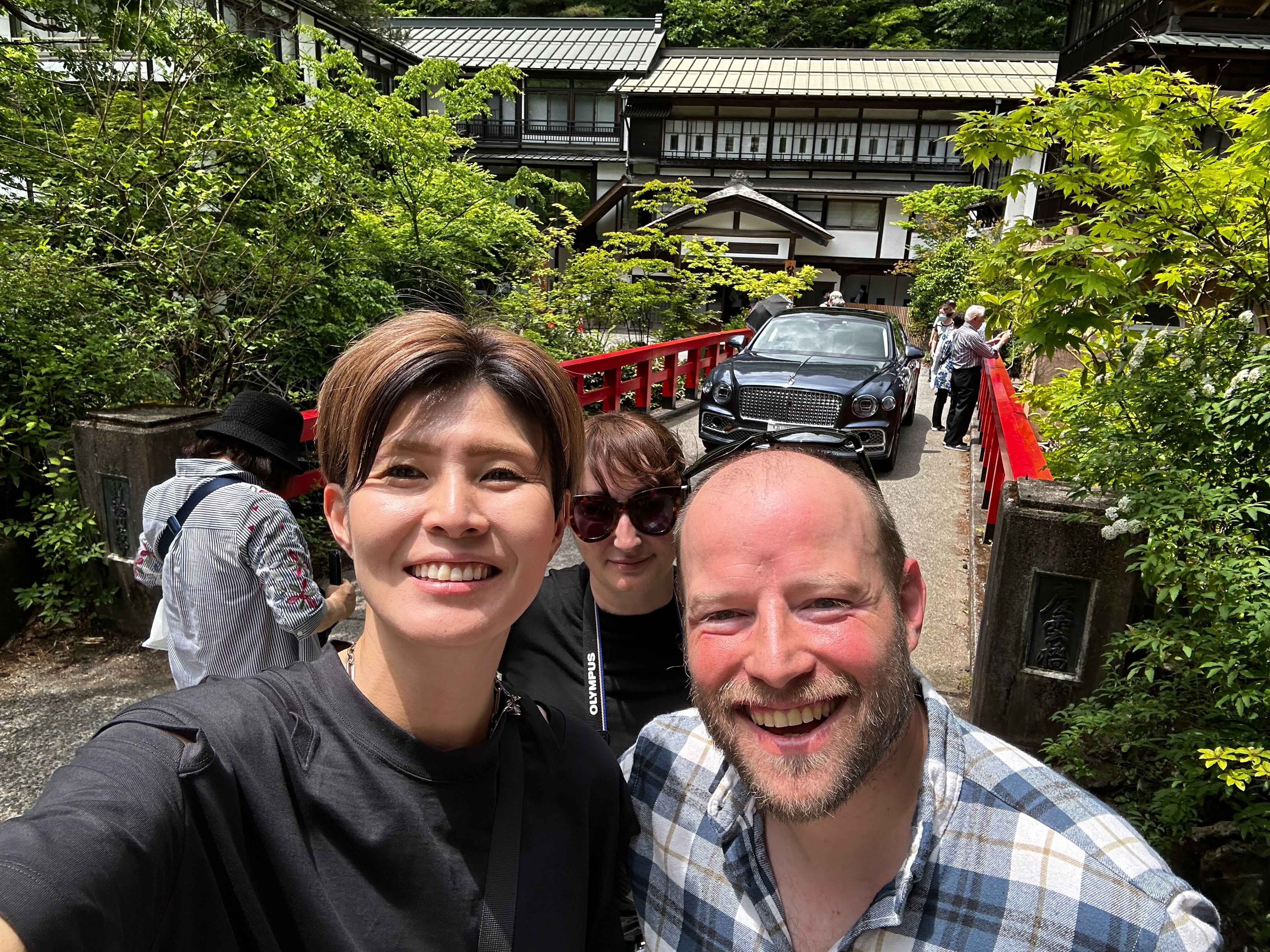
The Creative Intention
The brief required a sequence of contrasting locations: a ryokan reminiscent of Spirited Away, the terrain around Mount Fuji, the density of Shinjuku, and Shibuya Crossing at night. The creative goal was coherent. Delivering it in Japan’s tightly controlled production environment demanded more than location scouting. It required fluency in the cultural and structural constraints that govern every step.
The Japan Layer
What slows most foreign productions is not language. It is the underlying logic of how Japan manages public space, authority, and risk.
Hierarchy influences every approval.
A location owner cannot simply say yes. They consult multiple internal stakeholders. Each one must understand the impact, the plan, and the liability.
Improvisation is perceived as risk.
A “quick adjustment” on set is not quick in Japan. Any change requires re-approval because unplanned actions can disrupt public order or violate agreements.
Responsibility must be explicit.
Japanese partners need to know who carries accountability at every moment. Without that clarity, progress slows.
Etiquette is operational, not decorative.
The way a request is made determines its success. Incorrect approach can close doors before negotiations begin.
Foreign crews usually encounter these differences only after work has already started. By then, momentum is lost. Japan’s beauty is accessible, but only to teams who understand that creativity must be aligned with structure, not imposed on it.
Our Role as the Interpretive Layer
To deliver Bentley’s shoot, our responsibility extended beyond logistics. We translated creative intention into a format that Japan’s system could accept. This meant:
• preparing written approvals for each location owner
• negotiating constraints before creative decisions were locked
• explaining the purpose and visual intention bilingually
• ensuring etiquette matched the expectations of each stakeholder
• sequencing the shoot to avoid risk points
• adjusting the creative vision only when required, and only in ways that preserved its core meaning
The interpretive layer is where most productions fail. They assume location access is a transaction. In Japan, it is a relationship. It requires precision, transparency, and cultural reading. Our role was to hold the creative line while navigating the rules that protect order.
A Moment That Explains Japan
During preparation for the Shibuya night sequence, a small detail shifted the timeline. A nearby business requested that our lighting plan be adjusted by a narrow margin. International crews often treat this as a minor negotiation point. In Japan, it signaled a need to reconfirm with multiple parties: the building association, the police box, and the property owner coordinating the sidewalk space.
This was not resistance. It was responsibility. Once all parties approved the adjustment, the production continued without friction. This is how Japan works. Every stakeholder must be aligned so that everyone understands the impact of the work. When this process is respected, the system moves efficiently.
The Shoot


Over several days, the team moved from ryokan to Fuji terrain, then into Shinjuku and Shibuya. Each location delivered exactly what Bentley envisioned because the creative intention remained intact while the execution followed Japan’s disciplined framework. Creative clarity paired with local precision creates momentum rather than obstruction.
What Global Teams Can Learn
1. Creative intent must be translated, not assumed.
Japan will execute with precision, but only when the vision is explained in terms that match local expectations.
2. Bilingual, bicultural leadership is essential.
Translation is not language. Translation is context.
3. Etiquette and process are part of production.
They are not cultural extras. They determine access, timing, and scale.
4. Mistakes come from misalignment, not equipment.
Most delays originate from unclear requests or incomplete explanation, not technical failure.
5. Operational clarity protects creative clarity.
When structure is respected, Japan becomes one of the most reliable countries in the world for creative work.
Why This Matters for Outsiders
This article gives global teams an insider understanding of why Japan operates differently and how to work within its system without sacrificing creative ambition. Outsiders often assume Japan is slow or overly formal. In reality, it is consistent, structured, and designed to prevent problems before they occur. Once you understand this logic, you can unlock the country’s extraordinary potential.
Closing
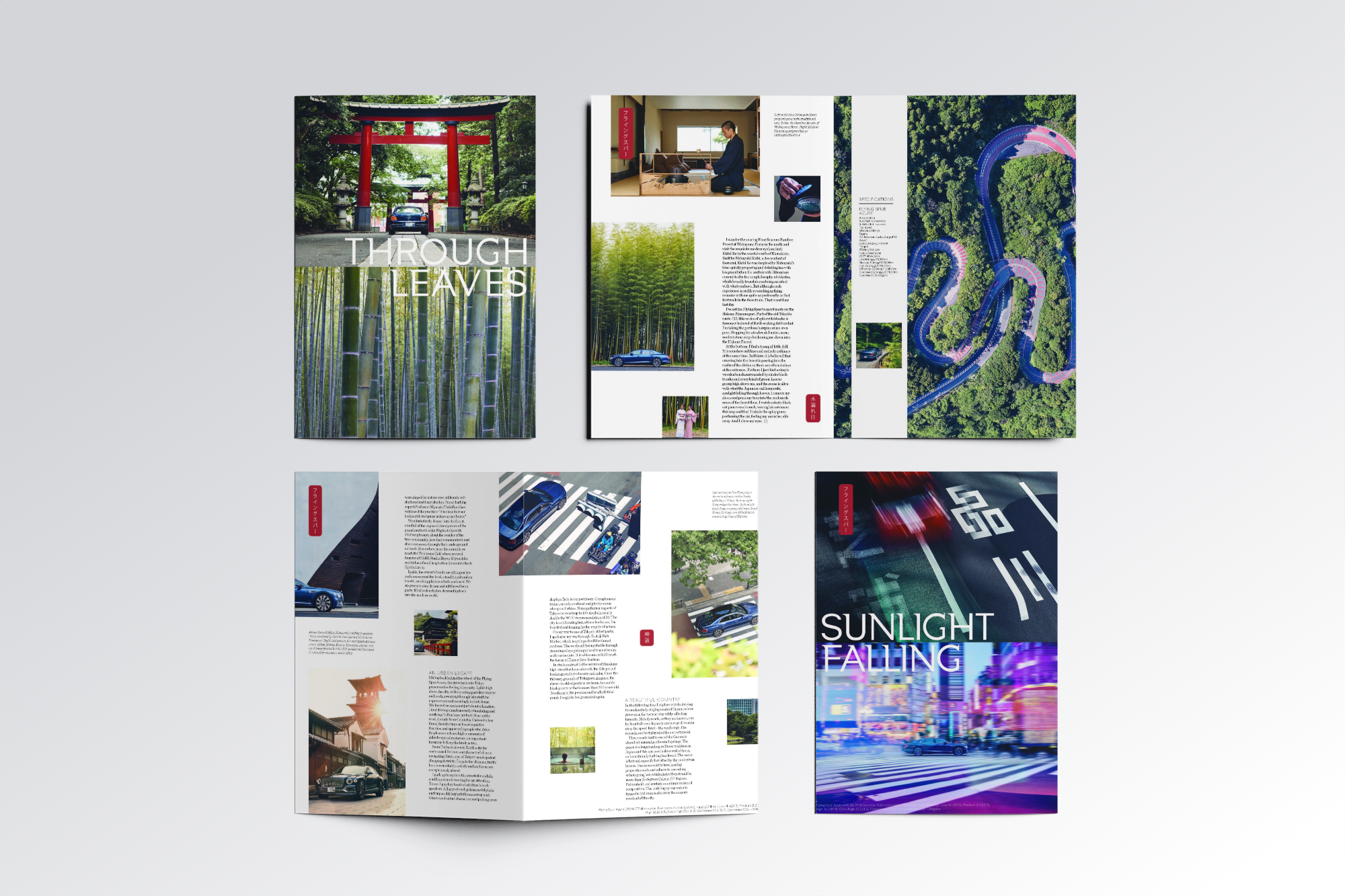
We help global brands create in Japan with cultural fluency, creative alignment, and disciplined execution. This is how international teams maintain their creative vision while operating inside one of the most structured production systems in the world.
If you want deeper clarity on how global brands operate in Japan, follow Inside Brand Japan.
For brand system work, market alignment, or organizational restructuring, learn more at YF or connect with us on LinkedIn.


